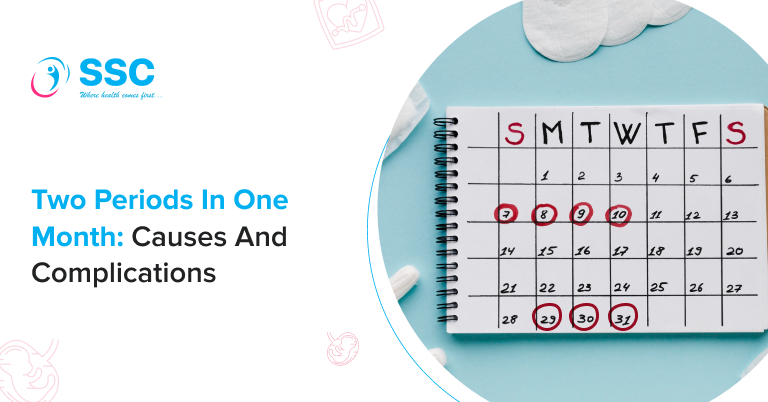
Two Periods in One Month

The average menstrual cycle is 28 days long but can range from 24 to 38 days. If your cycle is shorter or you bleed unexpectedly between periods, you might wonder, “why am I getting 2 periods in one month?” Sometimes, it’s normal. Other times, it may point to a health issue that needs medical attention.
This blog will explore potential causes, when it’s normal, and when to consult a doctor.
Irregular periods are normal during the teenage years as the body adjusts to changes. Some may have two periods in a month, while others might go months without one. These are normal changes that come with growing up.
Causes of Two Periods in One Month
1. Shorter Menstrual Cycle
A typical menstrual cycle lasts between 21 and 35 days, with an average of 28 days. If your cycle is consistently 21–24 days, you may get two periods in one month. This is one of the most common short menstrual cycles.
When to see a doctor: If your periods are very heavy or come more often than every 21 days.
For example, a woman with a 21-day cycle might have her first period on the 1st of the month and another on the 22nd.
2. Hormonal Imbalances
Hormones like estrogen and progesterone help control your period. If these hormones are unbalanced, you might have irregular or frequent periods. Conditions like Stress, PCOS, thyroid issues, or even lifestyle changes may contribute.
Symptoms: Irregular timing, mid-cycle spotting, mood swings
See a doctor if: You skip months, bleed heavily, or spot between periods
For instance, a person who rapidly loses weight due to a crash diet may notice changes in their cycle, including more frequent bleeding.
3. Birth Control Methods
Hormonal contraceptives, including birth control pills, IUDs, patches, and implants, can cause spotting or irregular bleeding. Some women may bleed if they miss a pill, while others have light bleeding in the first few months of using a new birth control.
Usually stabilizes within 1–3 cycles
Talk to your doctor if: Bleeding continues beyond that
For example, a woman starting a new birth control pill might notice an additional period-like bleed in the same month due to her body adjusting to the hormones.
4. Stress and Lifestyle Factors
Long-term stress can affect the brain’s control over hormones, leading to changes in the menstrual cycle. High stress may cause periods to come more often, be delayed, or skip. Lack of sleep, excessive exercise, or caffeine or alcohol can also affect the cycle.
5. Thyroid Disorders
The thyroid gland regulates metabolism and hormone levels. Hypothyroidism (low hormone production) may cause menstrual cycles to become heavier and more frequent. Conversely, hyperthyroidism (excess hormone production) can lead to lighter and less frequent periods.
Tests: TSH, T3, T4
See a doctor if: You have weight changes, fatigue, or anxiety
For example, a woman with undiagnosed hypothyroidism might have heavy bleeding twice a month.
6. Polycystic Ovary Syndrome (PCOS)
PCOS is a hormone problem that affects ovulation, causing irregular periods. Some women with PCOS may have frequent periods, while others may go a long time without one.
Watch for: Acne, weight gain, facial hair
Alert: Two irregular cycles close together, or skipped periods
For instance, a woman with PCOS might have bleeding twice a month because of uneven ovulation and high hormone levels.
7. Perimenopause
Perimenopause is the time when your body starts changing before reaching menopause.
Typical signs: sudden temperature changes, mood swings, cycle shortening
Consult your gynecologist if: You’re under 45 and bleeding irregularly
As women get closer to menopause, changes in estrogen levels can cause irregular periods. For example, a 47-year-old woman might have two periods in one month and then go without one for several weeks before her next cycle starts.
8. Uterine Fibroids or Polyps
Fibroids and polyps are non-cancerous growths in the uterus that can cause heavy and irregular bleeding. They may lead to extra spotting or even full periods between regular cycles.
Symptoms: Heavy bleeding, clotting, pelvic pressure
See a doctor if: You notice unusually heavy periods or pass large clots
9. Infections or Medical Conditions
Pelvic inflammatory disease (PID) and sexually transmitted infections (STIs) can cause unusual bleeding. These infections can irritate the reproductive organs, leading to spotting or heavy periods.
Symptoms: Unusual spotting, foul-smelling discharge, pain during intercourse
See a doctor if: Pain, fever, or prolonged bleeding that doesn’t stop after a few days
For example, if PID is not treated, it can cause ongoing inflammation, making periods irregular, or happen twice in one month.
10. Endometriosis
Endometriosis occurs when tissue similar to the uterine lining grows outside the uterus, leading to severe pain and irregular bleeding. This condition can disrupt the menstrual cycle, sometimes resulting in two periods within a month.
Symptoms: Severe pelvic pain, heavy bleeding, pain during sex
See a doctor if: Pain that interferes with daily activities, prolonged bleeding between periods
11. Excessive Physical Activity
Extreme physical exercise, like marathon training or hard workouts, can affect hormone levels. Exercising too much may cause irregular periods, leading to two periods in one month or even missed periods.
For example, someone who suddenly increases their workout intensity may notice changes in their menstrual cycle, such as having two periods in one month.
12. Medication Side Effects
Some medicines, like antidepressants and steroids, can affect your period. For example, someone taking steroids for a long time might notice irregular cycles or skipped periods due to changes in hormone levels.
Is it Normal to have Two Periods in One Month?
Yes, sometimes. Especially if your cycle is naturally short which is around 21 days or you’re experiencing perimenopausal changes. But if this doesn’t usually happen or keeps happening, it might be due to stress, hormone changes, birth control, or health issues like PCOS or thyroid problems.
Get help if:
- Your periods are painful, unusually heavy, or too frequent
- You feel dizzy or fatigued
- You’re also experiencing other symptoms like pelvic pain or nausea
Is having a period every two weeks normal during perimenopause?
Yes, it is normal around the time of menopause. As menopause begins, your periods may become shorter, sometimes occurring twice in a month. But if you’re not sure if it’s menopause and you often have bleeding between periods, it’s a good idea to see your doctor.
When to See a Gynecologist
Sometimes, irregular periods are normal, but you should see a doctor if you have
- Heavy bleeding (soaking through a pad/tampon in less than two hours)
- Severe pain or cramping
- Periods lasting longer than 7 days
- Unexplained fatigue or dizziness
- Sudden changes in your menstrual pattern without any known cause
- Your period comes every 14–21 days
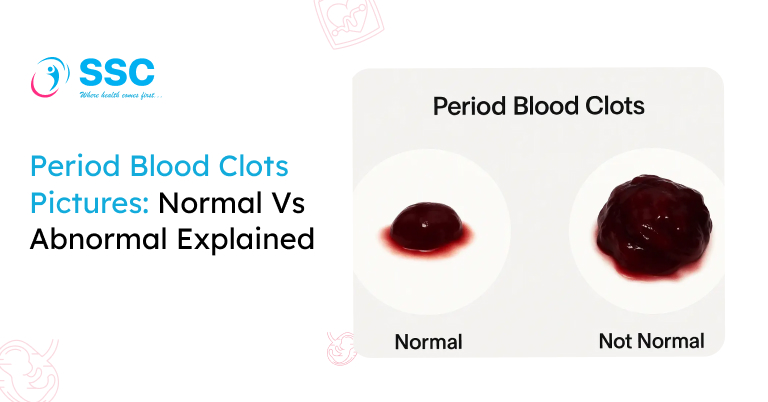
- You pass large clots or soak pads in under 2 hours
- You notice new symptoms or major changes in your cycle
Complications of Having Two Periods in One Month
- Anemia
Losing too much blood can cause low iron levels, leading to tiredness, weakness, and dizziness.
- Trouble Getting Pregnant
Conditions like PCOS or endometriosis can affect ovulation, making it harder to conceive.
- Unusual Uterine Growth
Frequent irregular bleeding may cause the uterine lining to grow abnormally, which can lead to health issues.
- Ovulation Tracking
Irregular periods can make it hard to know when you’re ovulating, making it difficult to determine the fertility window.
- Emotional Stress
Unpredictable periods can cause worry, stress, and frustration, affecting mental well-being.
Treatment Options
Lifestyle Changes
Eating a balanced diet with iron-rich foods, managing stress through meditation or exercise, and getting enough sleep can help regulate hormones and improve menstrual cycles. Simple lifestyle adjustments may reduce irregular bleeding.
- Eat iron-rich foods
- Reduce stress
- Track your cycles carefully to identify trends like period every two weeks
Medical Treatments
Hormonal therapy, such as birth control pills, can help regulate periods, while medications like iron supplements treat anemia. In severe cases, surgical options like laparoscopy may be needed for fibroids or endometriosis.
- Birth control for cycle regulation
- Iron supplements for anemia
- Surgery for fibroids, if needed
- Hormone therapy in perimenopausal patients
Conclusion
There are several causes for getting two periods in a month, but most of the time, it’s because of regular hormonal changes. Living a healthy life and tracking your cycle can help manage periods and improve overall health.
If you’re concerned about changes in your menstrual cycle, contact us, the best gynaecology hospital in Bangalore, for personalized treatment.
Frequently Asked Questions
What causes a woman to have two periods in one month?
There are many reasons why a woman might get her period twice in one month. Some women have a naturally short cycle (around 21 days), so two periods in a month can be normal. Other reasons include stress, hormone changes, using birth control, thyroid problems, or conditions like PCOS (polycystic ovary syndrome). Sometimes, infections or growths in the uterus (like fibroids or polyps) can also cause extra bleeding.
Is it normal to have two periods in one month?
It can be normal if your cycle is naturally short. But if this is new for you or happens often, it might mean something is off with your hormones or health. If you also have very heavy bleeding, strong pain, or feel very tired, it’s a good idea to see a doctor.
I already had my period this month. Why am I bleeding again?
Bleeding twice in one month can happen if your menstrual cycle is shorter than usual. Stress, sudden weight changes, or stopping birth control can also affect your cycle. Some women experience spotting during ovulation, which is around the middle of the cycle. If the bleeding is heavy or keeps happening, a doctor can help figure out the cause.
I got my period twice this month. Could I be pregnant?
Period only happens when you are not pregnant. However, some women experience light bleeding in early pregnancy, which can be confused with a period. This might be implantation bleeding or hormone-related spotting. If you had unprotected sex and are unsure, taking a pregnancy test and visiting a doctor is the best way to confirm.
Why am I getting my period again just one week after my last one?
If you’re bleeding again just a week after your last period, it may not be a real period. It could be breakthrough bleeding caused by hormonal changes, a reaction to birth control, or even a mild infection. In rare cases, it can be a sign of a medical condition like endometriosis or fibroids. Keeping track of your cycle can help you notice patterns and discuss them with a doctor.
I had two periods in one month, and my pregnancy test is positive. What does this mean?
If you are pregnant but also experiencing bleeding, it could be due to implantation, changes in hormone levels, or even a miscarriage. Some women also experience bleeding from conditions like an ectopic pregnancy, which needs urgent medical attention. Any unexpected bleeding during pregnancy should be discussed with a doctor as soon as possible.
What are the causes of getting my period three times in one month?
Three periods in one month is not normal and could be a sign of hormonal imbalance, thyroid problems, or issues with your uterus like fibroids or polyps. High levels of stress or intense exercise can also affect your cycle. If this keeps happening, seeing a doctor can help find out if treatment is needed.
Why did my period come again after just 15 days?
Getting another period 15 days later could be a sign that your cycle has shortened due to stress, diet changes, or hormone shifts. Some women also experience irregular bleeding from conditions like PCOS or perimenopause. If this happens often or is accompanied by pain, a doctor can help determine if there’s an underlying issue.