Stringy Period Blood

Key Facts
- Stringy period blood is usually normal, especially during light flow: It often happens when blood moves slowly and mixes with cervical mucus, creating a sticky or jelly-like texture. It’s common and not usually a problem.
- Clots or tissue can cause stringy blood: Your uterus sheds its lining during periods. When blood mixes with small clots or tissue, it can look thick or stringy. This is normal for many women.
- Dark or brown stringy blood means it’s older: Blood that stays longer in the uterus turns dark red or brown. This is often seen at the start or end of your period and is usually harmless.
- See a doctor if you have heavy bleeding or big clots: If you pass clots larger than a coin, bleed heavily, or have strong cramps, it could point to fibroids or hormone issues. It’s best to get checked.
- Stress and hormones can affect period texture: Stress, weight changes, or hormone shifts can make your period blood look stringy, but it usually disappears.
If you see stringy blood during your period, it usually means you’re in the heavier part of your cycle. These thick, jelly-like blood clots are common, and it just shows that your body is shedding the lining of the uterus, which is a normal part of your period.
In this blog, we’ll break down everything you need to know about stringy menstrual blood: what causes it, when it’s normal, when to see a doctor, and how to manage stringy period blood.
What is Stringy Period Blood?
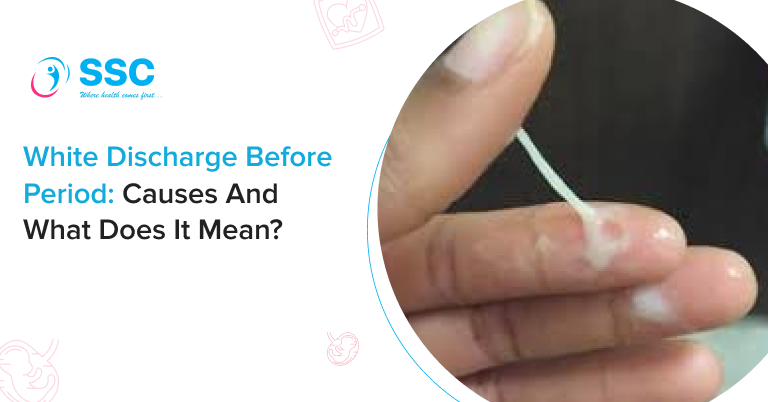
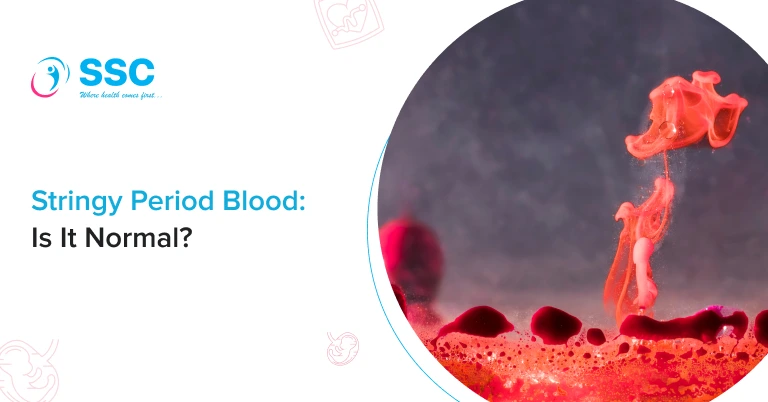
Stringy period blood refers to menstrual blood that has a sticky, jelly-like, or mucus-like consistency, often appearing in long strands or clumps. It may be bright red, dark red, or even brown. While it might look unusual, in many cases, it’s completely normal and harmless.
This kind of menstrual blood often consists of:
- Blood
- Endometrial tissue, which is shed from the uterine lining
- Cervical mucus
What Causes Stringy Menstrual Blood?
Stringy or thick period blood can happen for many reasons, and most of them are just a normal part of your period. Here are some common reasons:
1. Shedding of the Uterine Lining
During your period, your body sheds the endometrial lining of the uterus. Sometimes, instead of coming out as thin blood, it can appear thicker and stringier, especially when mixed with mucus or clotted blood.
2. Menstrual Clots
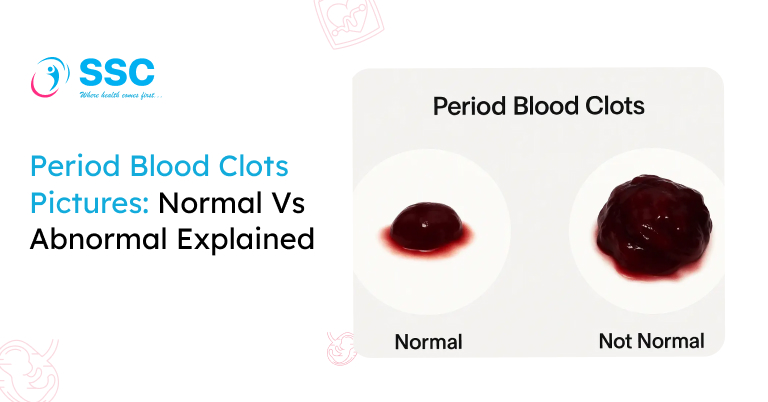
It’s normal to notice small blood clots during your period. These clots can sometimes form into stringy shapes and look like red or dark jelly-like strands. They’re more common when the flow is heavy, especially on the first or second day.
Related: Period Blood Clots Pictures
3. Cervical Mucus
The cervix produces mucus throughout the menstrual cycle. When this mixes with menstrual blood, it can cause a sticky, stringy texture. This is especially common around ovulation or during the beginning and end of your period.
Is Stringy Period Blood Normal?
Yes, in most cases, stringy period blood is completely normal. Menstrual blood isn’t always liquid, it can vary in consistency, color, and flow. These changes depend on your hormones, cycle day, and overall health.
In most cases, stringy blood during periods is normal, especially if:
1. During Light Flow Days
On lighter days of your period, the blood tends to move more slowly. This gives it more time to mix with cervical mucus and oxidize, resulting in stringy, dark, or brown discharge.
2. Hormonal Changes
Changes in estrogen and progesterone levels can affect the texture and color of your menstrual flow. If you’ve recently started or stopped birth control, this might be the reason.
3. Blood Clots Are Present
It’s normal to see small blood clots during your period, especially if your flow is heavy. These clots can mix with mucus, making the blood look stringy or jelly-like.
And if,
- It occurs occasionally
- The color can vary from bright red to deep brown
- It’s accompanied by your usual period symptoms, like cramps or mood swings.
- It doesn’t have a foul odor
What Determines the Consistency of Menstrual Blood?
Period blood isn’t just blood. It’s a combination of uterine lining, which is endometrium, blood, cervical mucus, and vaginal discharge.
The texture of your period blood changes depending on the time of your cycle because your body releases different amounts of blood, tissue, and fluids at each stage.
1. Stringy or Sticky Blood (Early Days)
- May appear dark red or brown
- Caused by the mucus-rich shedding of the uterine lining
- Common on day 1–2 of your period
- Usually, nothing to worry about unless accompanied by pain or large clots
2. Clumpy or Jelly-Like Blood
- Contains small clots which are less than a coin size.
- Can be due to heavier flow or slower movement of blood
- May occur mid-period as your uterus contracts to expel clots
3. Watery or Thin Blood (Towards End)
- Blood may appear pinkish or watery
- More vaginal fluid and less lining
- Often seen on lighter flow days (days 4–6).
When Should You Worry About Stringy Period Blood?
Although stringy period blood is usually not a concern, there are times when it might indicate something more serious.
1. Unusually Large Blood Clots
If you’re noticing large blood clots or needing to change your pad or tampon every hour due to heavy bleeding, it could be a sign of an underlying condition.
- Fibroids
- Endometriosis
- Polycystic ovary syndrome (PCOS)
- Hormonal imbalance
2. Irregular Periods
If your cycle is unpredictable or your bleeding pattern suddenly changes, which is too long, too short, or skipped, consult your gynecologist. Irregularities, along with stringy discharge, may be due to thyroid problems, stress, perimenopause, or ovarian cysts.
3. Unusual Color or Smell
If your menstrual blood is gray, has a foul smell, or is accompanied by itching or fever, it could point to infection, miscarriage if it is early pregnancy, or bacterial vaginosis. These symptoms require immediate medical attention.
How to Manage Stringy Period Blood?
1. Stay Hydrated
Drink plenty of water to help your body maintain proper blood flow and reduce clot formation.
2. Track Your Cycle
Use a period tracking app to monitor changes in your flow, consistency, and symptoms. Patterns can help your doctor understand what’s normal for you.
3. Exercise Regularly
Light movement, like walking or yoga, improves circulation and reduces hormonal fluctuations.
4. Talk to a Gynecologist
If you’re seeing constant changes, like heavier clots, spotting between periods, or painful cramps, consult a healthcare provider.
Bottom Line:
Yes, stringy period blood is usually normal, especially if it happens once in a while and you don’t have any pain or other symptoms. It’s often just a mix of blood, mucus, and the lining of your uterus.
But if you’re seeing sudden changes in your period, especially if they’re sudden, painful, or accompanied by other symptoms, it’s always wise to check with a healthcare provider.
Frequently Asked Questions
Why is my period stringy?
Stringy period blood happens when menstrual blood mixes with cervical mucus. This creates a sticky or stretchy texture and is common at the start or end of your cycle. It’s usually harmless.
Is stringy period blood normal?
Yes, stringy period blood is typically normal. It often occurs with slower blood flow and mucus presence. If you notice unusual odor, heavy clots, or severe cramps, consult a healthcare provider.
What does stringy period blood mean in early pregnancy?
Stringy blood in early pregnancy may be implantation bleeding or hormonal spotting. It’s usually light pink or brown. Contact your doctor if it’s heavy, painful, or persists.
What causes clear, stretchy mucus during my period?
Clear, stretchy mucus during your period is usually cervical mucus influenced by rising estrogen levels. When mixed with blood, it may look stringy or jelly-like and is generally normal.
What does stringy blood mean if I’m not on my period?
Stringy blood outside your period could be from ovulation, hormonal changes, or implantation. It’s usually light and brief. If it's persistent, painful, or foul-smelling, seek medical advice.
Is it normal if period blood sinks to the bottom of the toilet?
Yes, it’s normal. Period blood can sink due to its density, especially if clots are present. This isn’t usually a concern unless clots are large, frequent, or accompanied by pain.
Why do I have stringy bloody discharge?
Stringy bloody discharge may result from spotting mixed with cervical mucus, often during ovulation or implantation. If it's unusual in color, has an odor, or causes discomfort, see a doctor.