What to do Instead of Douching?

What is Douching?
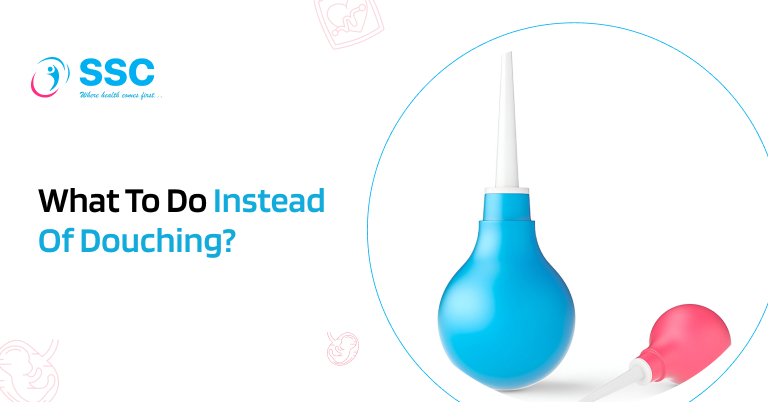
Douching is the practice of washing out the vagina using a liquid solution, usually delivered through a squeeze bottle or nozzle.
While the practice is often marketed as a method of personal hygiene, medical experts strongly discourage douching due to its potential to disrupt the body’s natural bacterial balance and cause harm.
Why are Douches Used?
- Cleanliness: Many women are led to believe that douching makes them cleaner, especially after menstruation or sexual activity. In reality, the vagina naturally expels blood, semen, and discharge without assistance.
- Odor Control: Most people often suggest that douching is necessary to eliminate vaginal odor. A natural vaginal scent is normal and can change with hormones. If the odor is strong or unusual, it may indicate an infection and shouldn’t be covered up with douching.
- Infection Prevention: Some users believe douching can prevent sexually transmitted infections (STIs) or urinary tract infections (UTIs). On the contrary, douching can increase the risk of these infections by upsetting the vaginal flora.
- Post-Sexual Activity: It is also believed that douching after sex can prevent pregnancy. But douching does not serve as a contraceptive method and may increase the risk of pregnancy by pushing sperm further into the reproductive tract.
- Cultural Traditions: In certain cultures, douching is a common practice passed down through generations. Without accurate medical information, these traditions persist despite potential harm.
Is Douching Safe?
The short answer is no. Major health organizations, including the Centers for Disease Control and Prevention (CDC) and the American College of Obstetricians and Gynecologists (ACOG), advise against douching for regular hygiene.
Douching disrupts the vagina’s natural pH level and eliminates beneficial bacteria such as lactobacilli, which help protect against infections. This disruption can lead to:
- Bacterial Vaginosis (BV)
- Yeast Infections
- Pelvic Inflammatory Disease (PID)
- Higher risk of STIs
- Ectopic pregnancy
- Fertility issues
- Preterm birth and complications during pregnancy
Regular douching is particularly dangerous because it can mask symptoms of infection while exacerbating the underlying issue.
Is Anal Douching Safe?
Anal douching can be safe when done occasionally and with proper technique, but it also carries potential risks. It involves flushing the rectum with water or a solution to clean out the area, often before anal sex.
Safe Practices:
- Use lukewarm water or isotonic saline solution.
- Apply gentle pressure using a soft bulb syringe.
- Limit the practice to occasional use.
Risks:
- Overuse can damage the rectal lining, making it more susceptible to tears and infections.
- Repeated douching may disrupt the balance of gut bacteria.
- Harsh chemicals or excessive water pressure can cause irritation or inflammation.
Types of Douching
There are several forms of douching, each associated with distinct purposes and risks:
- Vaginal Douching: Intended for internal cleansing but strongly discouraged due to the risk of infections and complications.
- Anal Douching: Used primarily for pre-sex preparation, it is generally safe if done rarely.
- Herbal Douching: These often use natural ingredients like turmeric or neem, but they can cause irritation and aren’t backed by science. Home remedies are usually not safe and are not recommended.
Pros and Cons of Douching
Benefits:
- It may offer a temporary sense of freshness.
- May mask odor briefly.
- In some rare cases, used in clinical settings under medical supervision.
Drawbacks:
- Disrupts natural microbial balance.
- Increases the risk of infections and inflammation.
- It can complicate fertility and pregnancy.
- It doesn’t treat the actual cause of the odor or discharge.
What to Do Instead of Douching?
To maintain proper hygiene without disrupting your body’s natural balance, consider the following alternatives:
1. Clean the Vulva Externally
Use mild, unscented soap and warm water to clean the outer genital area. Avoid inserting soap or water into the vagina.
2. Wear Breathable Fabrics
Use cotton underwear and avoid tight, synthetic fabrics. Change underwear daily.
3. Avoid Scented Products
Do not use sprays, perfumed wipes, or scented sanitary products. These can irritate and disrupt pH.
4. Maintain a Balanced Diet
Incorporate probiotic-rich foods like yogurt, kefir, and fermented vegetables. These support a healthy microbial balance.
5. Stay Hydrated
Drinking water helps maintain overall bodily function and supports natural detoxification processes.
6. Practice Safe Sex
Use condoms and ensure both partners maintain hygiene before and after intercourse. Make sure to urinate after sex to help remove harmful bacteria.
7. Seek Medical Advice
If you notice unusual discharge, itching, or persistent odor, consult a healthcare professional instead of self-treating.
Conclusion
Douching is an old practice that can be harmful and isn’t helpful. The vagina and rectum clean themselves naturally and don’t need special products.
To maintain your body’s natural balance, choose safe, medically approved hygiene practices. For personalized guidance, consult your healthcare provider.
Frequently Asked Questions
What to do instead of douching while pregnant?
Instead of douching during pregnancy, clean the external vaginal area with warm water and mild, unscented soap. Avoid using internal washes, sprays, or scented products. The vagina is self-cleaning, and douching may increase the risk of infections or complications. If you experience unusual discharge or odor, consult your gynecologist for safe medical guidance.
How to douche at home safely?
Doctors recommend avoiding douching, but if you choose to do it, use a sterile, store-bought solution—not homemade mixes. Gently insert the applicator into the vagina and allow the solution to flow out naturally. Never douche frequently or after intercourse, and stop if you experience irritation. Always talk to a healthcare provider before douching.
Why shouldn’t you douche?
You shouldn’t douche because it disrupts the natural vaginal flora, leading to infections like bacterial vaginosis or yeast infections. Douching can also increase the risk of pelvic inflammatory disease (PID) and reduce fertility. Experts agree that the vagina is self-cleaning and doesn’t require internal cleansing.
What is the meaning of douching?
Douching is the practice of washing out the inside of the vagina with water or a fluid solution. It's often done to feel cleaner or reduce odor. However, medical professionals discourage douching because it can upset the vagina's natural balance and cause health issues.
What are the best alternatives to douching for vaginal hygiene?
The best alternatives to douching include gently washing the vulva with warm water, wearing breathable underwear, avoiding scented products, and staying hydrated. These methods support natural vaginal health without disrupting the pH balance. If you notice unusual odor or discharge, consult a doctor instead of using internal cleansers.