Boil Under Breast: Causes, Symptoms, Treatment, and What They Look Like

A boil under the breast forms when a hair follicle and nearby skin become infected, leading to a swollen, often painful lump. Breast boils often heal on their own, but see a doctor if it hasn’t drained in two weeks, as medical care may be needed.
Most boils under the breast are not cancerous, but they do need proper care to avoid infection and scarring.
This guide will help you understand why boils form under the breast, symptoms to watch for, how to treat them, and when to see a doctor.
What is a Boil Under the Breast?
A boil under the breast is a red, swollen bump filled with pus that often feels tender or painful to touch. It typically forms due to infected hair follicles or sweat glands from friction, sweat, and bacterial buildup under the breast fold.

Symptoms of a Breast Boils
Recognizing the symptoms early can help you manage it before the infection worsens. You may notice:
- A red, painful bump under the breast that grows over a few days.
- Warmth, swelling, and tenderness around the lump.
- A white or yellow tip as pus collects.
- Pain when moving or wearing a bra due to friction.
- The boil may burst, draining thick yellow or white pus, followed by relief from pain.
- Mild fever or feeling tired may occur if the infection spreads.
If redness spreads or you develop a high fever, seek medical care promptly.
Common Causes of Breast Boils
1. Friction and Sweat
Tight bras, heat, and sweating can irritate hair follicles, creating an environment for bacteria to multiply and form boils.
2. Bacterial Infection
Staphylococcus aureus, a common skin bacteria, often causes boils by entering through tiny cuts or hair follicles.
3. Poor Hygiene
Infrequent cleaning under the breast, especially in hot weather, can lead to bacterial overgrowth.
4. Hidradenitis Suppurativa
This chronic condition causes painful lumps under the breasts and armpits that may recur over time.
5. Diabetes
High blood sugar levels can lower your body’s defense against infections, making boils more common.
What Does a Breast Boil Look Like?
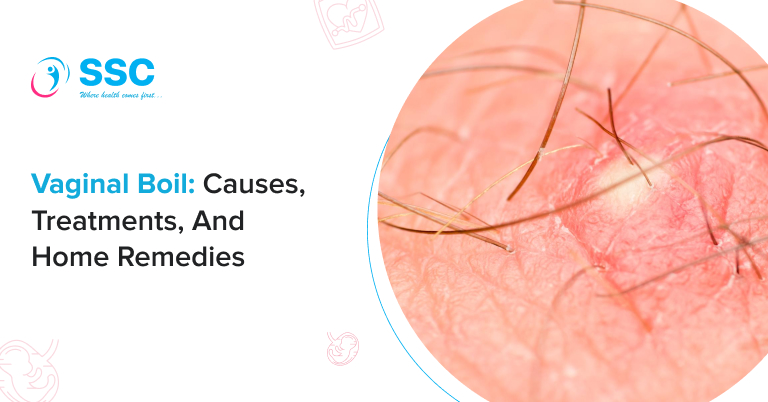
It usually starts as a small, firm, red bump that gradually becomes larger and softer. It may develop a white or yellow tip as pus builds up and may drain thick yellow or white discharge when it bursts, bringing relief from pressure.

Is a Boil Under the Breast Cancer?
Boils are infections of the skin and subcutaneous tissue, while breast cancer lumps are typically hard, painless, and do not contain pus. Most boils are not related to cancer, but any lump that persists, changes your breast’s shape, or causes nipple discharge should be checked by a doctor.
Home Treatment for Breast Boils
If the boil is small and not too painful, you may manage it at home:
1. Warm Compress
Apply a warm, moist cloth for 15-20 minutes, 3-4 times daily, to help it come to a head and drain.
2. Keep the Area Clean
Wash with mild soap and water, gently patting dry.
3. Avoid Popping the Boil
Do not squeeze or pop it, as this can push the infection deeper and worsen the condition.
4. Wear Loose Clothing
Opt for breathable cotton bras to reduce friction.
Medical Treatment
Seek medical care if:
- The boil is large, painful, or worsening.
- You have a fever or feel unwell.
- It doesn’t drain within 10 days.
- Boils recur frequently.
- Redness spreads around the boil.
Your doctor may drain the boil under sterile conditions or prescribe antibiotics if needed.

How to Prevent Breast Boils
- Clean under your breasts daily and keep the area dry.
- Wear breathable, well-fitting cotton bras.
- Avoid tight clothing that causes friction.
- Manage sweat by gently drying with a clean towel.
- Maintain a healthy weight to reduce skin folds.
- If you have frequent boils, discuss long-term prevention with your doctor.
Final Thoughts
A boil under the breast is often painful but treatable at home or with medical care if needed. Know the symptoms, maintain hygiene, reduce friction, and watch for infection signs. See your doctor if boils keep coming back or if a lump won’t go away to avoid complications.